Designing games around systems and player feedback
I study AAA-focused game design at Champlain College, where my coursework centers on systemic gameplay and the feedback loops that shape how players learn and decide. Alongside my studies I work with FunRug studio, contributing to team-driven development and learning how design choices move through production.
I value clear documentation, fast graybox iteration, and direct communication across disciplines. I am looking for a postgrad role where I can keep making and improving games.
System design is where I spend most of my attention: how rules, resources, and player actions interact so that a small set of mechanics produces varied and readable play. I test these interactions early and keep the rules legible enough that a player can form and test their own strategies. Level pacing comes next. I shape the rhythm of encounters, rest points, and reward timing so that tension rises and releases deliberately across a session.
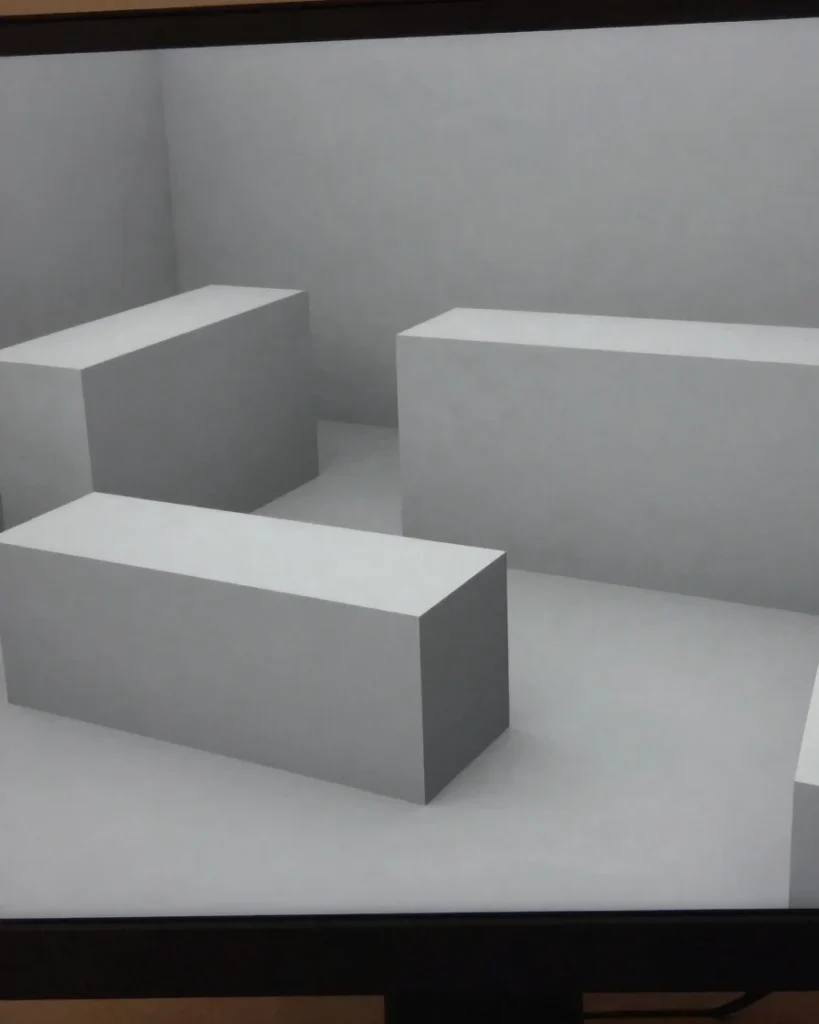
Graybox prototyping lets me validate both ideas quickly before art or polish exists. Documentation keeps the reasoning behind each decision visible, so collaborators can review, challenge, and build on it without guessing what the design was meant to do.
Workflow
How I move a design from idea to playtest
01
Paper prototype
I start with rules, cards, or sketches to test the core loop away from the engine, so weak assumptions surface before any code is written.
02
Engine implementation
I build a graybox version in the engine, keeping geometry and tuning values simple so changes take minutes rather than days.
03
Playtest and feedback
I watch people play, note where they hesitate or misread a mechanic, and record those observations alongside the design notes.
04
Iterate and document
I revise the design based on what I observed and update the documentation so the next change starts from an accurate record.